Healthy soil
Soil management, crop rotation and suitable nutrients support plant growth. Practices vary by crop, farm and production system.
 Trade enquiries ↗
FROM THE SOIL TO YOUR TABLE
A closer look at growing good produce — and what the word “organic” actually tells you.
UNDERSTANDING THE JOURNEY
A general guide to produce farming, rather than a description of KK Fresh’s own farms or suppliers.
Freshness is a journey: how produce grows, when it is harvested and how it is handled afterwards all matter.
Farmers choose crops suited to the season and growing conditions, manage soil fertility, provide water and monitor pests. Both organic and conventional farming can produce nutritious fruit and vegetables.
After harvest, gentle handling and the right temperature and humidity help preserve quality. Some produce benefits from rapid cooling; other crops need different storage conditions to avoid damage.
FOUR PARTS OF THE JOURNEY
Soil management, crop rotation and suitable nutrients support plant growth. Practices vary by crop, farm and production system.
Water management and pest monitoring help growers protect their crops and use resources carefully.
Produce is harvested at a stage suited to its intended use and journey. Different crops ripen and keep differently.
Clean handling, suitable packaging and appropriate storage help maintain freshness and reduce waste.
WHAT DOES ORGANIC MEAN?
“Organic” describes a regulated production system. It is not simply another word for fresh, local or natural.
Under Canada’s organic standards, certified operations follow requirements for production and handling. These include restrictions on substances and practices, and a prohibition on genetic engineering. Permitted pest-control products may still be used, so organic does not mean pesticide-free.
For products covered by the Canada Organic Regime, products labelled “organic” or carrying the Canada Organic logo must be certified and contain at least 95% organic content. Different labelling rules apply to products with a lower organic percentage.
Organic status does not guarantee that a food is more nutritious or free from germs. Organic and conventional produce both belong in a balanced diet and both require safe handling.
BE A CONFIDENT BUYER
| Term | What it tells you | What to ask |
|---|---|---|
| Fresh | Relates to the condition and handling of the produce. | How should I store it, and when should I use it? |
| Local | Relates to where the food was grown; definitions can vary. | Where was this item grown? |
| Organic | Relates to a defined production and certification system. | Is this specific product certified organic, and who certified it? |
Ask our team about current availability and certification for the specific items you want. This guide does not imply that every KK Fresh product is organic or that KK Fresh operates its own farm.
Discuss your requirements ↗LEARN MORE
For official Canadian certification and labelling information, visit the Canadian Food Inspection Agency’s organic products guidance ↗.
Next: keeping vegetables fresh at home →GROWING & HARVEST
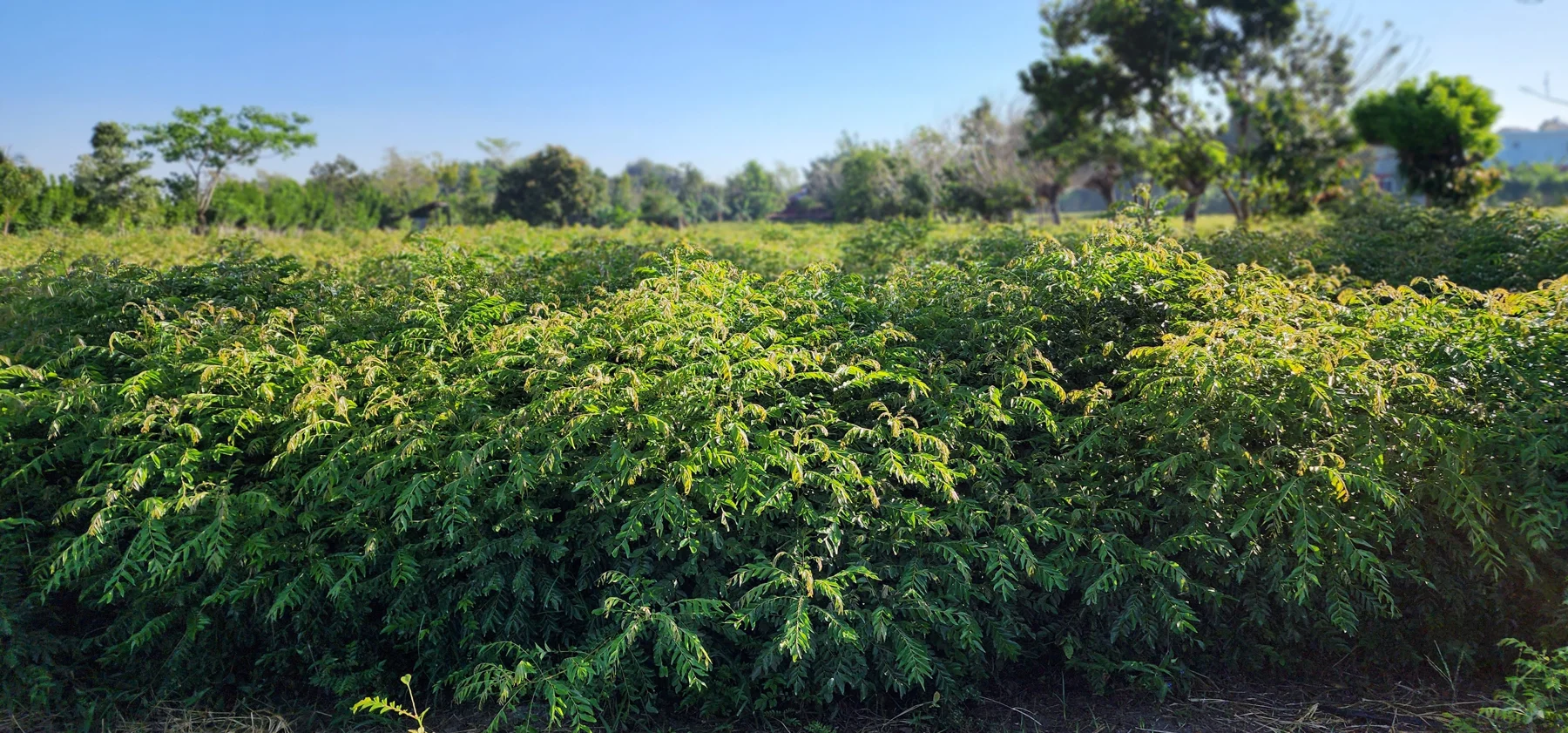
Explore the growing and orchard photographs shared by our team. These images do not establish farm ownership or organic certification.
WHOLESALE & TRADE ENQUIRIES