Buy with a plan
Choose quantities you can use. Plan delicate greens and ripe fruit for earlier in the week, and longer-keeping vegetables for later.
 Trade enquiries ↗
A LITTLE CARE GOES A LONG WAY
Simple storage habits, safe preparation and colourful meal ideas to make more of your fruit and vegetables.
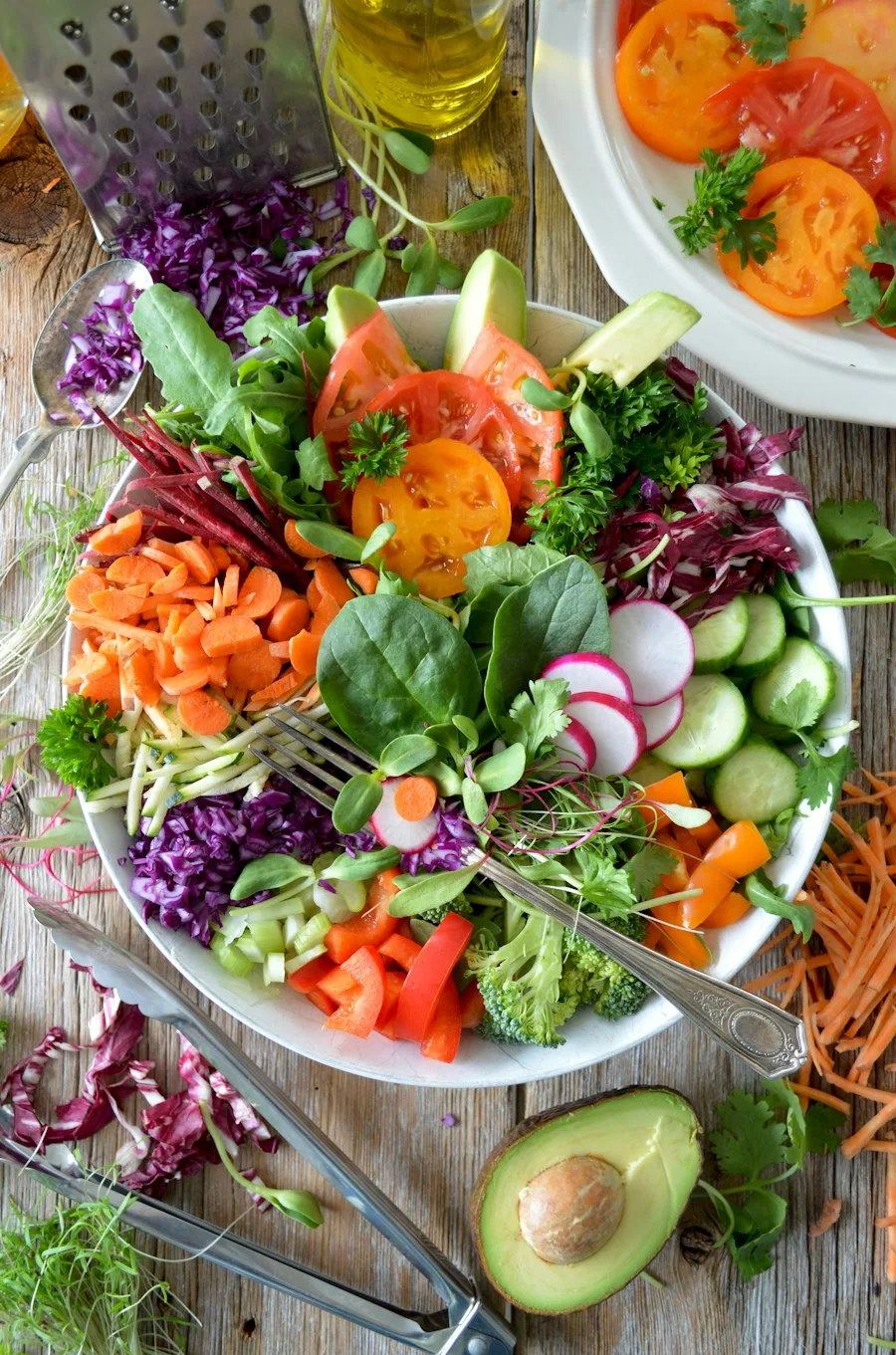
START WITH THE BASICS
Choose quantities you can use. Plan delicate greens and ripe fruit for earlier in the week, and longer-keeping vegetables for later.
Keep your refrigerator at 4°C or below. Refrigerate pre-cut produce promptly and follow package storage instructions.
For most whole produce, wash just before preparation. If you wash before storing, dry thoroughly and use a clean container.
Check your produce regularly. Bring older items to the front and discard anything mouldy, slimy or rotten.
THE EVERYDAY STORAGE GUIDE
Storage needs vary by variety, ripeness and packaging. Use this as a starting point and follow any label instructions.
| Produce | Where to keep it | A simple freshness tip |
|---|---|---|
| Leafy greens | Refrigerator crisper | Keep dry in a clean container or bag with a paper towel to absorb excess moisture. Use delicate leaves early. |
| Broccoli & cauliflower | Refrigerator | Keep in a loosely closed or perforated bag. Wash just before use. |
| Carrots & beetroot | Refrigerator crisper | Remove leafy tops, store roots in a bag or container and keep the greens separately. |
| Peppers | Refrigerator crisper | Store whole and dry. Refrigerate cut pieces in a covered container. |
| Tomatoes | Room temperature until ripe | Keep out of direct sunlight. Refrigerate fully ripe tomatoes if needed to slow spoilage; refrigerate cut tomatoes. |
| Potatoes | Cool, dark, ventilated place | Keep away from onions and light. Discard green, bitter or heavily sprouted potatoes. |
| Dry onions & garlic | Cool, dry, ventilated place | Keep whole bulbs out of sealed plastic bags. Refrigerate peeled or cut onions in a covered container. |
| Berries | Refrigerator | Keep dry, check for mould and rinse gently just before eating. |
| Bananas, pears & avocados | Room temperature to ripen | Keep apart from ethylene-sensitive greens. Refrigerate ripe pears and avocados to slow further ripening. |
Apples, bananas and pears release ethylene, a natural ripening gas. Separating them from sensitive vegetables such as leafy greens and broccoli can help protect quality.
CLEAN HANDS. CLEAN PRODUCE.
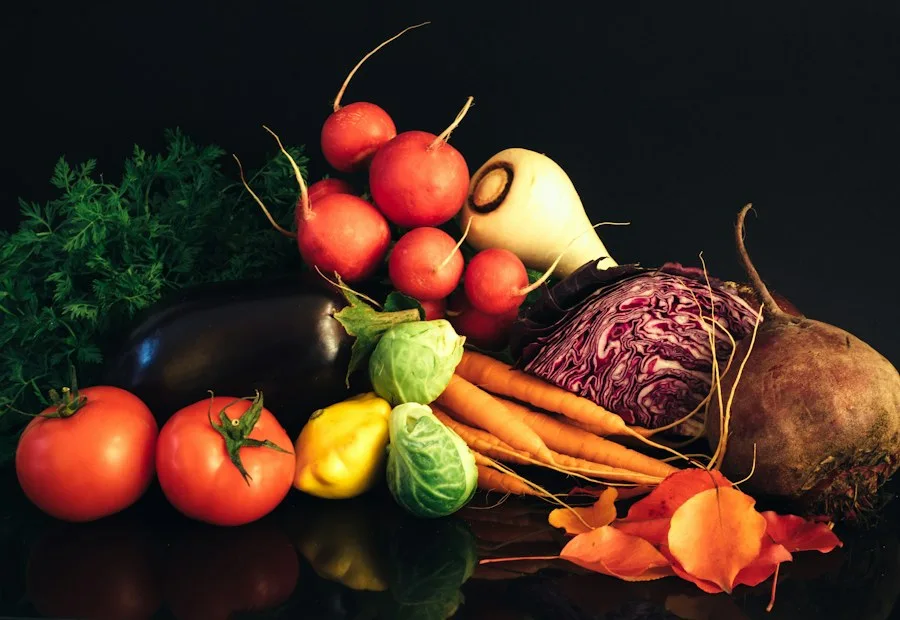
Wash your hands with soap and water for at least 20 seconds. Clean knives, boards and work surfaces, and keep produce separate from raw meat, poultry and seafood.
Rinse fruit and vegetables under cool running water, including produce you plan to peel. Scrub firm produce with a clean produce brush. Do not use soap, bleach or household detergents on food.
Produce labelled pre-washed or ready-to-eat generally does not need another wash. Follow the package instructions and avoid recontaminating it during handling.
Refrigerate cut or peeled fruit and vegetables promptly, within two hours. Discard cut produce left at room temperature beyond this period; chill sooner in hot conditions.
Washing reduces dirt and some germs, but it does not sterilise produce. Follow recalls and use-by instructions; do not rely only on appearance or smell.
EAT FRESH. EAT A VARIETY.
Canada’s Food Guide recommends a plate with half vegetables and fruit, a quarter whole grains and a quarter protein foods.
Whole fruit provides fibre and is usually a better everyday choice than fruit juice. Make water your drink of choice.
There is no need to eat everything raw. Try steaming, roasting or stir-frying, with modest amounts of salt and sauces.
Frozen vegetables and fruit, and canned options with little or no added sodium or sugar, can also be nutritious, practical choices.
Build a bowl with plenty of vegetables, some brown rice or another whole grain, and beans, tofu, fish or another protein. Add herbs, lemon and a little unsaturated oil for flavour.
These are general food and nutrition tips. If a medical condition affects what you can eat, follow your clinician’s or dietitian’s advice.
TRUSTED GUIDANCE
Explore Canada’s Food Guide ↗ and Health Canada’s food safety guidance ↗ for more information.
Explore what organic means →COLOUR, VARIETY & FRESH POSSIBILITIES
Explore our vegetable photographs, from peppers and okra to aubergines and bitter gourds. Ask KK Fresh about current wholesale availability. Select a photograph to enlarge it.
WHOLESALE & TRADE ENQUIRIES